


Italian
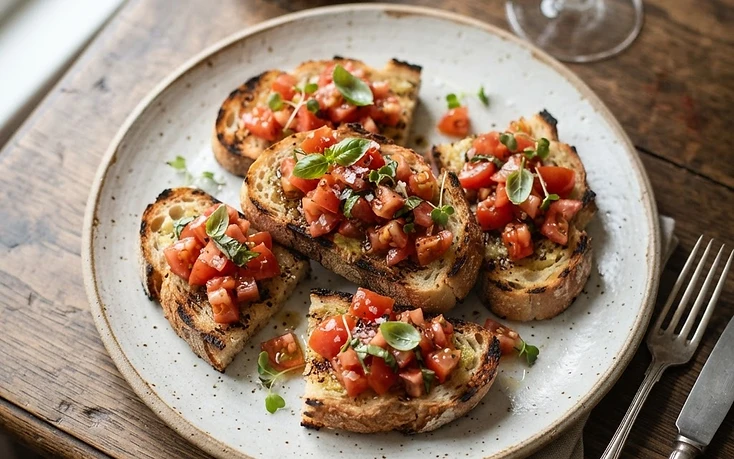
Classic Tomato Basil Bruschetta
A rustic, iconic Italian antipasto featuring perfectly charred crusty bread rubbed with fresh garlic and topped with a vibrant, seasoned tomato and basil mixture.
Allergens in this dish
Set your allergens to receive personal warnings.
Serving tip
Room tempServe on a rustic wooden board or ceramic platter within minutes of assembly to ensure the bread remains crisp against the moisture of the tomatoes.
Ingredients
Serves 4
Click an ingredient for Dish Code insight
Suitable for
Tags
No tags yet. Click Edit to add one.
Where did you eat this?
Share your experience and help others
Restaurant Detective
Originating from central Italy, bruschetta was traditionally a way for farmers to salvage day-old bread by grilling it over embers and dressing it with the best local olive oil and garlic. It celebrates simplicity and the high quality of seasonal ingredients.
Flavor Profile
How this dish tastes, on a scale of 0-10
Cooking Techniques
The key techniques in this dish, explained by the chef
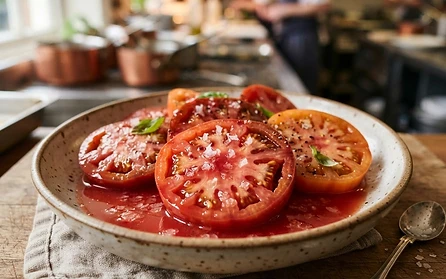
Maceration
Maceration is the refined process of using salt and acidic elements to break down cellular structures, drawing out natural juices and flavors. This technique concentrates the essence of the produce, creating a complex, integrated dressing that is far superior to any store-bought condiment. By carefully controlling the timing and temperature, a chef can manipulate the final texture, ensuring ingredients soften while maintaining their essential character. It is an indispensable method for elevating raw produce into a sophisticated, flavor-saturated component.

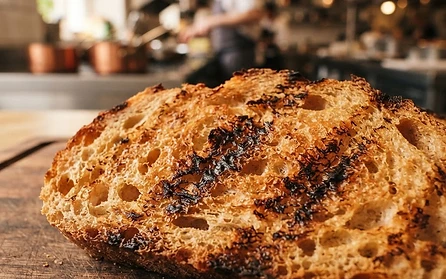
Maillard Reaction
The Maillard reaction is a vital chemical interplay between amino acids and reducing sugars under the influence of sustained dry heat. This reaction is responsible for producing the complex, nutty, and savory 'toasted' flavor profiles that characterize perfectly cooked carbohydrates and proteins. It creates a range of melanoidins that provide both the deep brown color and the distinct aroma associated with culinary excellence. Achieving this consistently requires precise heat management to ensure the surface browns effectively without burning the interior.

Aromatic Infusion
Aromatic infusion is a gentle, sophisticated technique that transfers the volatile essential oils from a pungent ingredient directly onto a porous surface using residual heat. Rather than adding chunks of raw flavor, this method subtly coats the target ingredient, allowing for a delicate, balanced distribution. The heat acts as a catalyst, opening the pores of the surface and locking the fragrant oils into the fiber. It is the signature mark of a chef who prioritizes balance and finesse over raw ingredient strength.